What Is a Collision Damage Waiver (CDW) in Car Rental?
March 10, 2026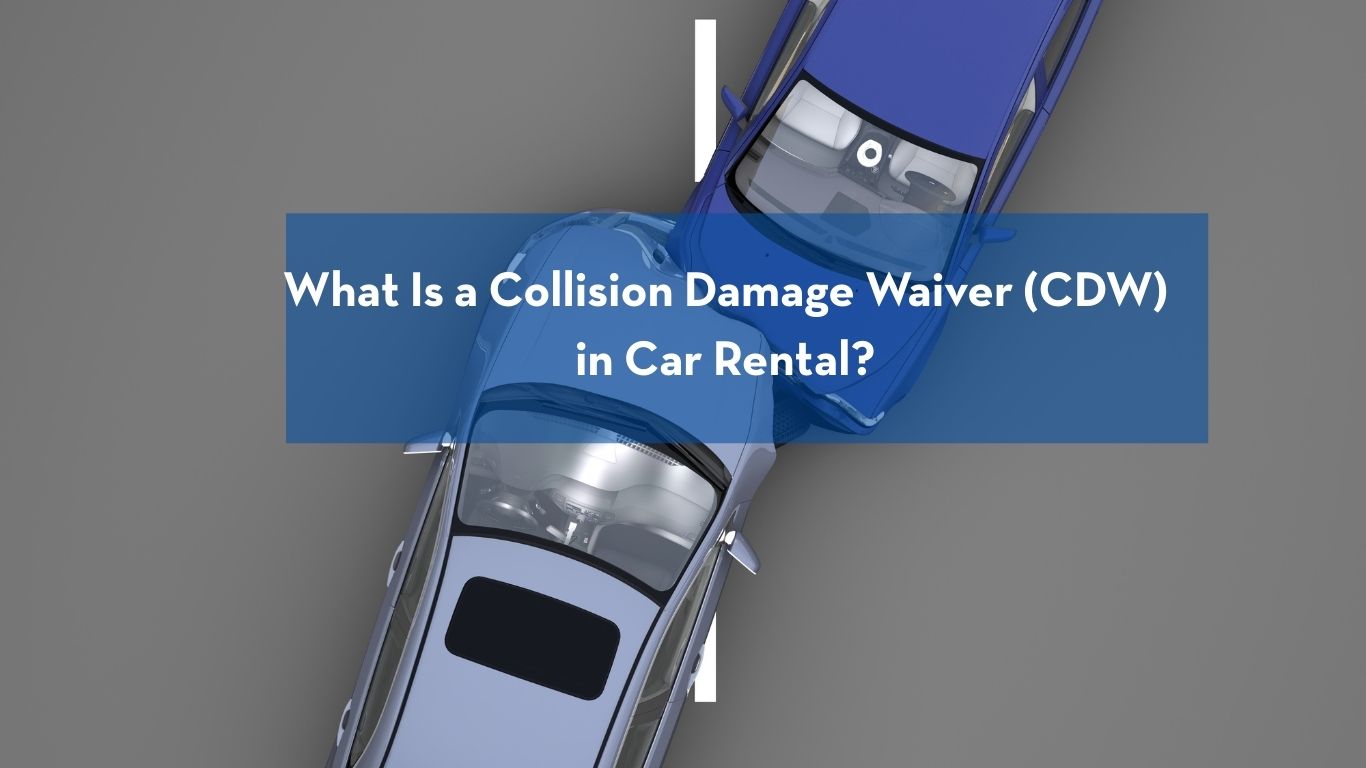
Ever been at a car rental desk and the agent asks,
"Would you like a Collision Damage Waiver?"
And you just nod because it sounds important but have no clue what it actually means? You’re not alone. Most people do the same. Let’s break it down in plain, everyday language.
A Collision Damage Waiver isn’t insurance magic. Think of it as a promise: if the car you’re renting gets damaged while it’s in your hands, you won’t pay the full repair bill. Instead, your responsibility is capped at a smaller, agreed-upon amount.
It’s simple. Practical. And, honestly, a huge stress-reliever when driving in a new city.
How Collision Damage Waiver Works
Picture this: You’re visiting a new city, enjoying the sights, and trying to park in a tight spot. Oops. The car brushes against a pole. Minor scratch. Heart skips a beat.
Without CDW? That scratch might cost hundreds. With CDW? You only pay the damage excess, a pre-set, smaller amount. That’s it. No surprises. No massive bills.
It’s not about avoiding responsibility completely. It’s about not letting one tiny accident ruin your wallet.
What Does CDW Cover?
Here’s what usually falls under a Collision Damage Waiver:
- Minor collisions
- Small dents or scratches
- Parking mishaps
But a few things often aren’t covered:
- Tires or windshields
- Interior damage
- Lost keys
- Accidents caused by reckless driving
Always ask the rental company exactly what’s included. A two-minute check can save a headache later.
Is CDW the Same as Insurance?
Not exactly. CDW focuses on the rental car itself. It doesn’t cover damage to another person’s vehicle — that’s where third-party liability insurance comes in.
Other optional protections include:
- Theft Protection – if the rental car gets stolen
- Personal Accident Insurance – covers medical costs for you or passengers
Think of CDW as a safety net for your rental car, not everything else.
Should You Take CDW?
It depends.
- Some credit cards already offer rental coverage.
- Some drivers feel confident skipping it.
But most people choose it for peace of mind. Driving in an unfamiliar city can be stressful. Knowing a scratch or dent won’t cost a fortune lets you enjoy your trip instead of worrying every time you park.
Quick Tips Before You Drive
Before you leave the lot:
- Check the damage excess – know how much you might pay.
- Ask what’s covered – scratches, parking bumps, etc.
- Inspect the car – take pictures of any pre-existing damage.
These small steps save a lot of future arguments and confusion.
Why Choose Autorent Car Rental?
Renting a car isn’t just about picking a vehicle. It’s about clarity, trust, and support. That’s where Autorent stands out.
- Transparent pricing, no hidden fees
- Well-maintained, clean cars
- Quick, hassle-free booking online via the Autorent website
- Supportive staff who actually respond when you call
They make renting a car smooth, simple, and stress-free, CDW included or not.
Frequently Asked Questions
Is CDW mandatory?
No. It’s optional. But many travelers choose it for peace of mind.
What’s damage excess?
It’s the maximum amount you’ll pay if the rental car is damaged.
Does it cover other cars?
No. That’s third-party liability insurance.
Can my credit card cover CDW?
Some do. Check with your provider before renting.
Should tourists opt for CDW?
If you’re unfamiliar with local roads or traffic patterns, yes — it’s worth it.
Conclusion
The term Collision Damage Waiver may sound intimidating, but it’s really just a safety cushion.
Most trips go perfectly fine without it, but knowing it’s there removes that little knot of worry when parking, navigating, or reversing in tight spots.
Sometimes, all you need for a carefree drive is a tiny piece of extra protection.
Contact Autorent for more details.